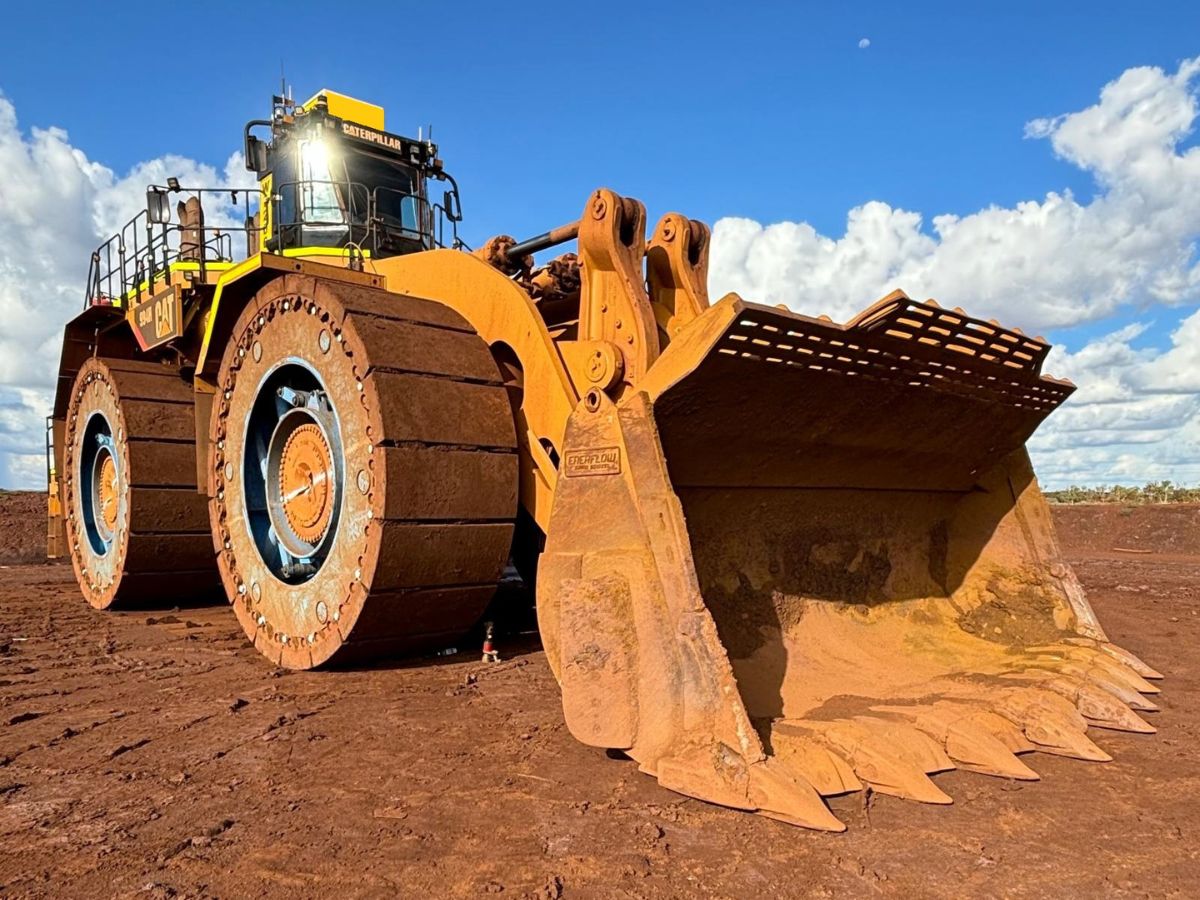
Across all ASW field trial hours logged to date. The blowout failure mode is not present in the ASW system — it cannot occur. This is not a safety management achievement. It is a system architecture outcome.
The ASW's safety advantages are architectural — built into the system design — not procedural additions requiring monitoring, compliance, or management overhead.
Published regulatory incident reports confirm the systemic nature of pneumatic OTR tyre failure modes. These incidents share common root causes: stored pneumatic energy, thermal degradation, pressurised assembly processes, and handling of multi-tonne assemblies.
A 46/90R57 tyre with approximately 2,000 recorded hours failed while stationary and cold at a Western Australian mine. Shrapnel was projected up to 17 metres. One worker was knocked unconscious by the percussive shock wave; two others sustained minor injuries. The tyre was not in operation at the time of failure.
A contract tyre fitter was fatally injured while changing a large wheel assembly at an open cut coal mine in the Bowen Basin. The incident occurred during a routine tyre maintenance operation. The fatality highlights the inherent risk in handling large, pressurised tyre assemblies in field conditions.
A haul truck tyre suddenly burst while the machine reversed to a parking position, blasting pressurised air into an area where workers were preparing an inspection. Personnel were exposed to the blast zone despite the machine being in a controlled operational state. The incident demonstrates that tyre failure risk is present even in low-risk operational scenarios.
The current Queensland standard for tyre, wheel and rim management, updated June 2024. The standard explicitly acknowledges that rapid deflation, tyre fire, ejection of wheel or rim components, and toppling of assemblies have resulted in fatal accidents and serious injuries to mine workers. It defines the management regime required for operations to maintain regulatory compliance across a fleet of OTR tyre-equipped machines.
Sources: DEMIRS Significant Incident Report No. 288 (2021); RSHQ Safety Alert (January 2020); NSW Resources Regulator Safety Alert SA15-06 (2015); RSHQ Recognised Standard 13, Tyre, Wheel and Rim Management v2.0 (June 2024). All incident reports are published regulatory documents available in the public domain.
Mining operations in different jurisdictions have different regulatory requirements for wheel and tyre systems on mobile equipment. GACWheels works with each operation's safety and compliance team to establish the documentation required for regulatory sign-off in their specific jurisdiction.
The removal of the pneumatic tyre blowout failure mode may reduce or simplify some tyre-specific exclusion-zone controls, subject to site risk assessment, regulator acceptance, and the operation's approved safety management system.
TALK TO OUR HSE LEAD